

DatumGarden Works Book a visit
Menu

Asheville · sheet 01 of 11

A garden measured before it is quoted

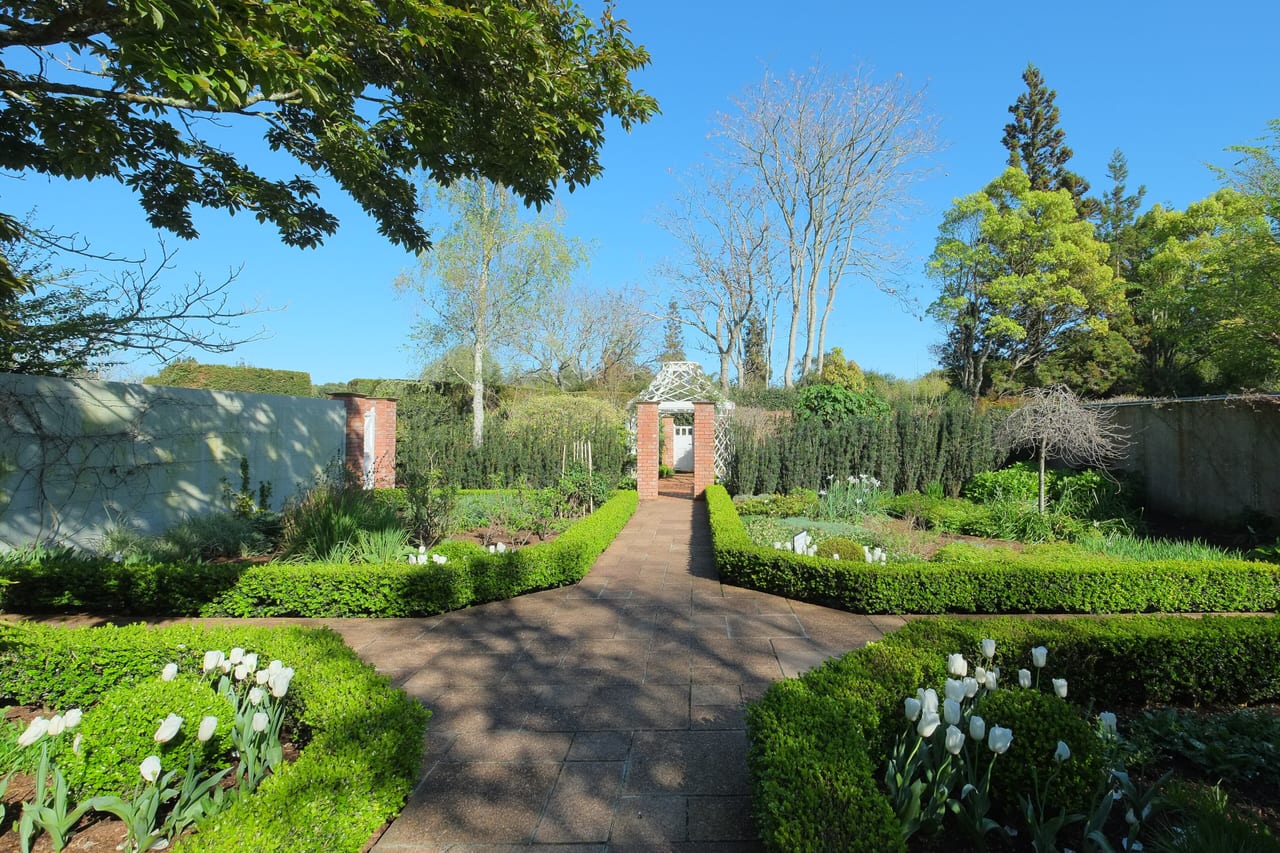
Datum Garden Works measures ground before pricing work on it. The photograph below is annotated with the four things a gardener looks at first, and the key beside it names every one.

A walled garden in spring: clipped box hedging on both sides of a brick path that leads to a white timber arbour, with white tulips in the borders
Walled garden, spring borders, annotated

Key to the annotated photograph

  1. 01 Clipped box hedging, cut to a line
  2. 02 Mature conifer screen on the boundary
  3. 03 Brick path, laid to falls and repointed
  4. 04 Mixed border of tulips and perennials

The four keyed points are the first four checks on a site assessment visit. Each one is measured before anything is lifted or cut.

Six services, priced

Every service carries its scope and its price. All six are keyed here, and the services sheet prints the full scope for each.

  • Site assessment visit

    Measurements first, then an explanation.

    $95

  • Seasonal bed maintenance

    The work a well-planted bed still needs.

    $165

  • Hedge and shrub pruning

    Cut to a line, thinned by hand.

    $185

  • Stone path and edging repair

    For the path that has settled or holds water.

    from $460

  • Planting plan and quote

    A survey, then options with a figure against each.

    no charge

  • Drainage and soil consultation

    For ground that stays wet long after the rain.

    $140

How a visit is run

A visit starts with measurement rather than with an opinion. Soil texture, the fall of the ground, the line of the beds and the condition of the planting are all read and written down before any work is priced. What follows is a scope on paper with a figure against it, and nothing outside that scope is carried out without a separate approval.

From the garden file

Three plates from the gallery. Each one is labelled with the work it shows and the kind of garden it belongs to.

  • A narrow path running between deep mixed borders of hydrangea and shrubs, with tall conifers behind.
    Border path through mixed planting
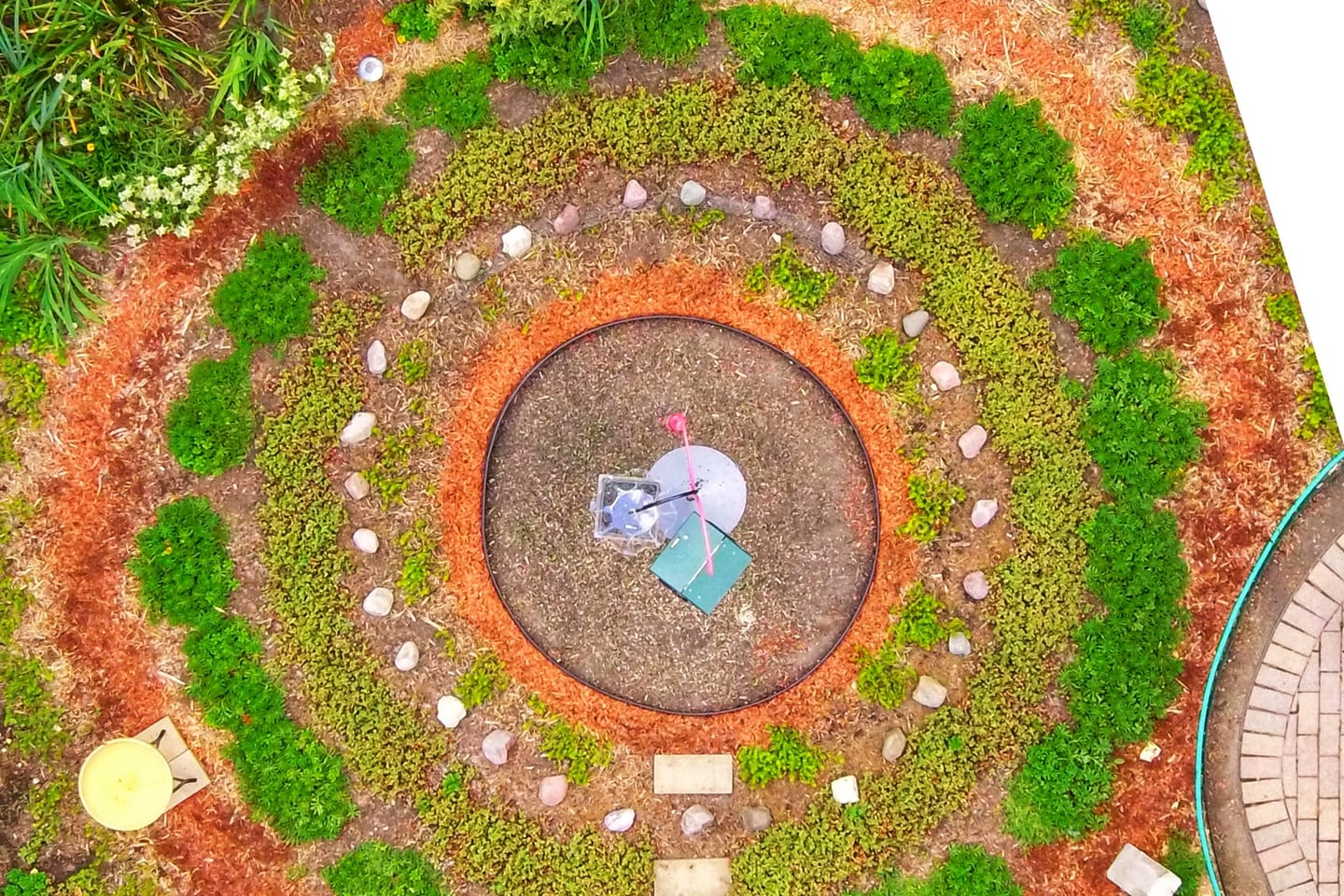
  • A circular ornamental bedding scheme seen from directly above, its rings of low planting and gravel laid out around a centre.
    Bedding scheme, seen from above
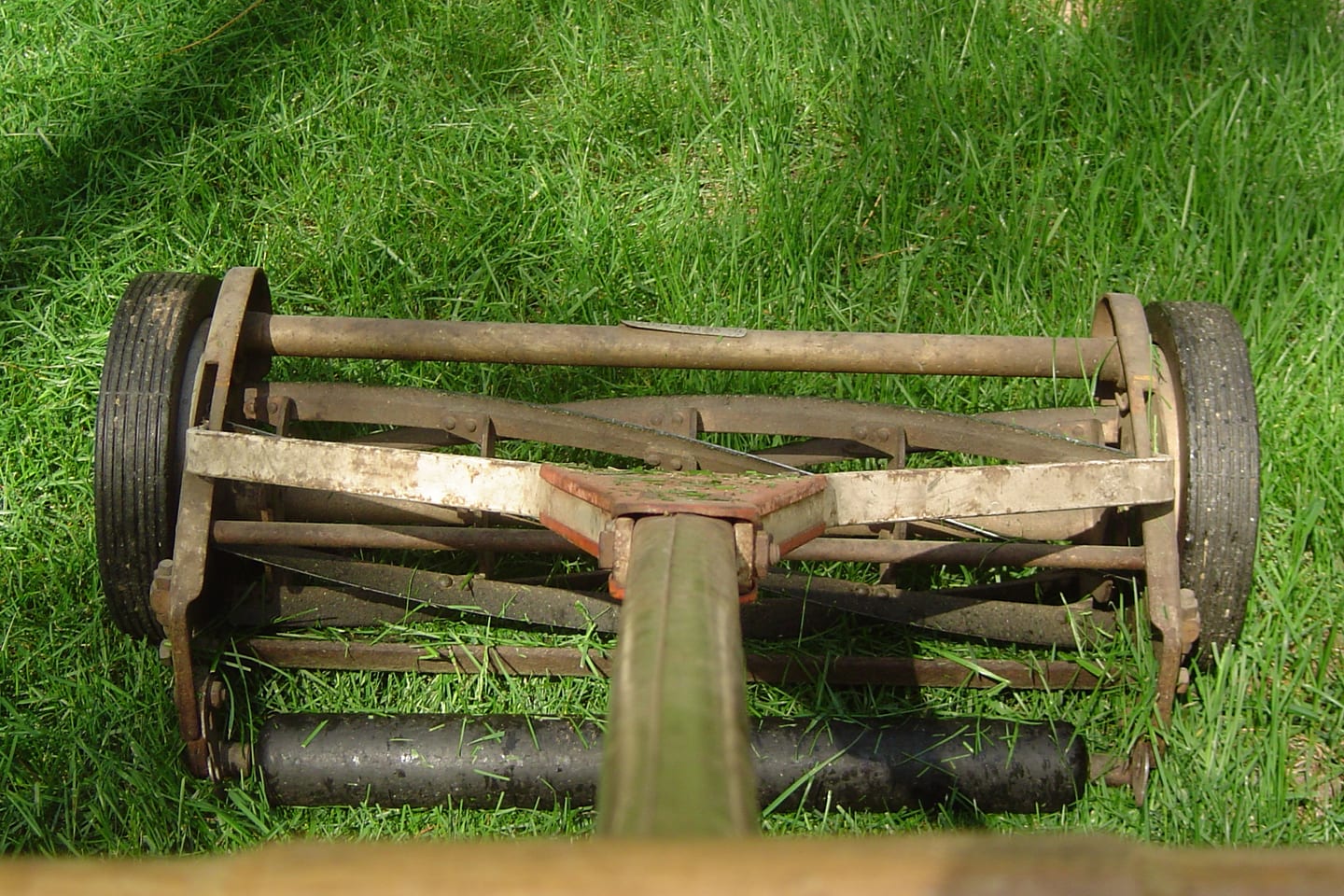
  • A cylinder mower standing on grass, one part of the plot cut short and the rest still long behind it.
    Cylinder mower, lawn half cut

The team

Four roles cover the six services. A preferred gardener can be named on the contact form and availability is confirmed separately.

  • A dense summer bed in full colour, red salvias and orange dahlias set against dark foliage.

    Marisol Vance

    Owner and lead gardener

    Leads site assessment and planting-plan work with a written account of the ground, the existing planting and the options. The role separates what has been measured from what still needs a season of watching, and does not promise a result the soil has not supported.

  • A gardener bent over a timber-edged bed, working the soil beneath a row of bent hoop supports.

    Desmond Okafor

    Scheduling coordinator

    Turns enquiries into useful site notes by confirming property type, garden type, postal code, access for machinery and the condition being reported. This role explains the next response window without advertising round-the-clock or guaranteed same-week work.

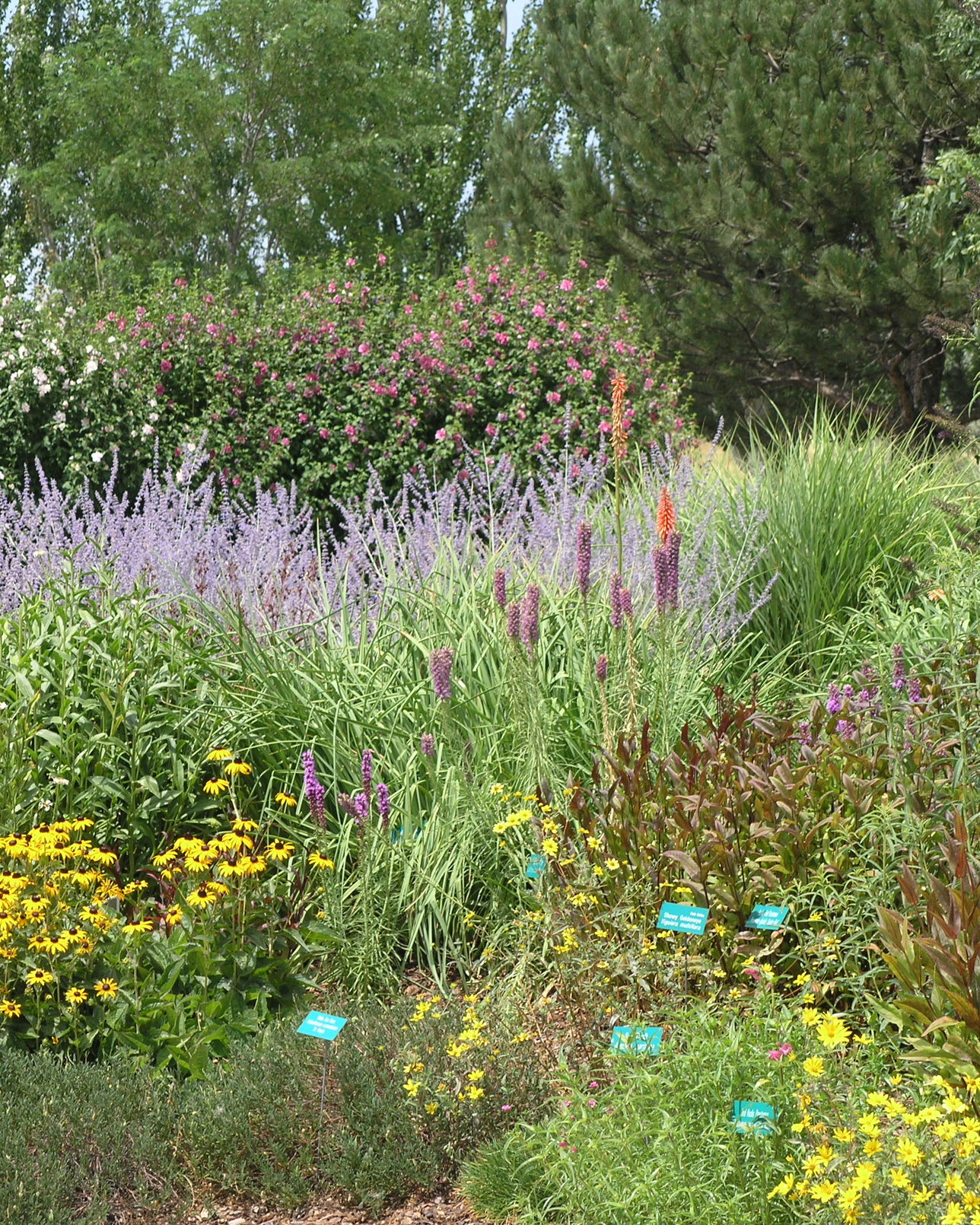
  • A deep perennial border in full flower, grasses and yellow daisies running back towards the trees.

    Priya Raghunathan

    Senior grounds technician

    Concentrates on seasonal bed maintenance, hedge work and lawn condition. Each visit follows a consistent sequence, so findings can be explained clearly instead of reduced to a one-line recommendation.

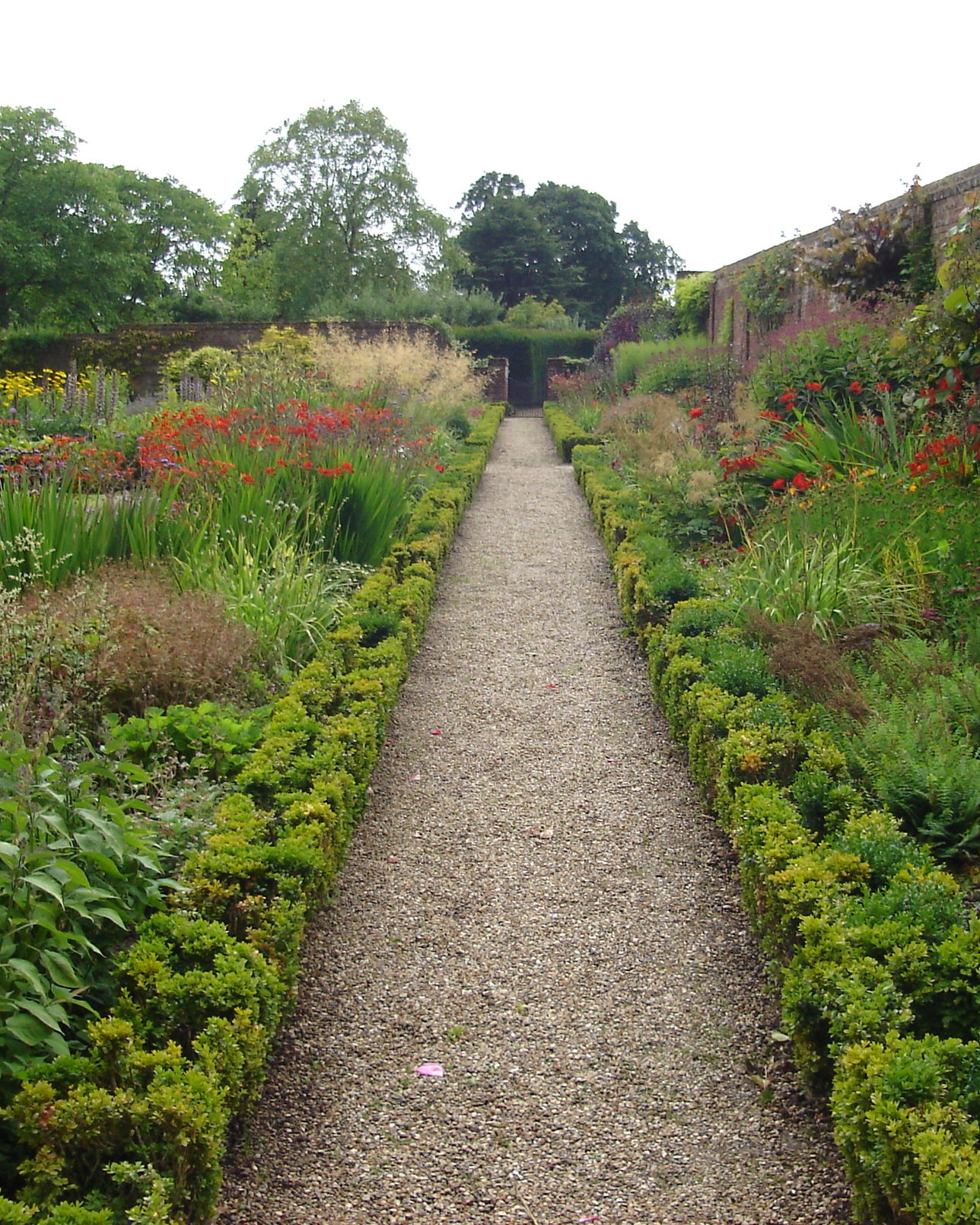
  • A gravel path edged with clipped box, herbaceous borders rising on both sides towards a brick wall.

    Elliot Barr

    Planting and soil specialist

    Focuses on soil structure, drainage and how planting behaves through a full year. The role uses readings and site history to help distinguish drainage, soil and plant-choice problems before suggesting a path forward.

What customers said

  • The scope for the site assessment visit was explained before anything began. The published starting price made the decision straightforward.

    Bettina E.

  • The gardener listened closely, confirmed the price and made the hedge and shrub pruning easy to understand.

    Ravi P.

  • The published information matched the actual conversation. Nothing felt hidden and there was no pressure to add extras.

    Dessa J.

Four questions

How should a visitor choose a service?

Start with the service descriptions and prices. Contact the business when two options appear equally suitable.

Are the displayed prices final?

Published prices apply to the stated scope. Any “from” or custom price requires a confirmed estimate before work begins.

What should a first-time visitor prepare?

Provide the property type, a concise description of the garden and safe access information for machinery. Do not attempt a hazardous cut or lift before the visit.

Can a visitor request a specific gardener?

Yes. Use the contact form to name a preferred gardener; availability is confirmed separately.

Start with a site assessment visit

Measurements first, written down and shown, with the options set out before anything is planted or lifted.

Seasonal notes, occasionally

An email when the pruning window opens or a mulch round is worth a reminder. No fixed schedule, and one link in every message removes an address from the list.

This is a demo design, not a real business.Have it rebranded as yours for $500 from EZWebee.